
Finish with a usable record
Close the repair against the approved scope and location list
A closeout method for managers coordinating owners, residents, associations, trades, invoices, photos, and final access.
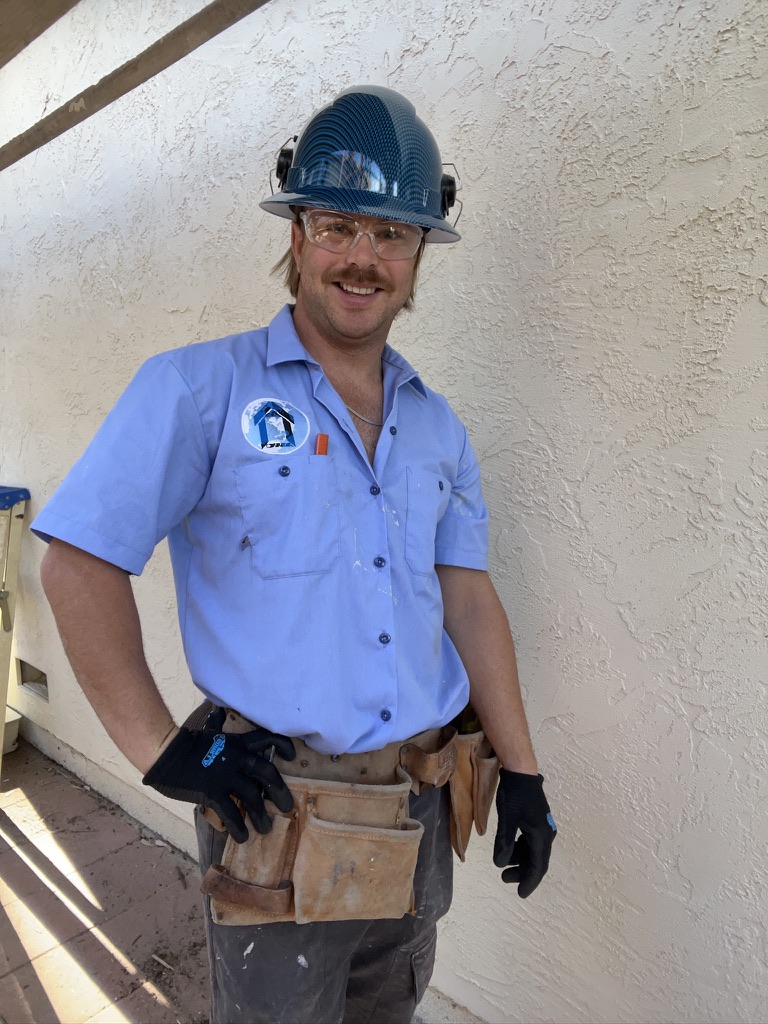
A drywall job is not closed because the crew left or an invoice arrived. Managers need a compact record showing which locations were authorized, what changed, how the finish scope ended, and what remains outside the contractor's work. A consistent closeout reduces callbacks caused by missing context and helps future managers understand the repair.
Begin closeout at intake
Assign each repair a stable label using property, unit, room, and surface. Save one overview and one detail photo under that label. Record the reported cause and whether it is confirmed, repaired, or still under review. This structure should follow the job through estimating, approval, access, progress, and completion.
Keep owner approval, resident availability, and building permission as separate fields. A scheduled entry does not prove budget approval, and an approved price does not reserve an elevator. When the record distinguishes these gates, the manager can see what actually blocks the next step.
Reconcile the authorized scope
Before final review, place the approved proposal and every written change beside the location list. Confirm that added or removed work is reflected. Verbal hallway requests create disputes when the payer, resident, and contractor remember different outcomes. A simple written change with cost and schedule effect protects all parties.
Mark exclusions clearly, including source repair, another unit, specialty evaluation, fixtures, cabinetry, flooring, or full-plane paint when excluded. Closeout should describe the completed drywall work accurately without implying that unobserved systems or unrelated damage were certified.
Review by room and endpoint
Check each label against the promised endpoint: board closure, joint finish, texture, primer, paint, reset items, cleanup, and debris removal. View finishes under the agreed ordinary conditions. If a wall was authorized only through primer, record that status instead of calling the room fully painted.
Ask the resident for access-based observations, but route scope and payment decisions through the authorized contact. The resident may identify a missed location or access concern; the owner or manager determines whether it belongs to the approved work. This keeps field communication useful without expanding scope informally.
Collect a proportionate record
Save completion photos from similar positions to the intake views, plus progress images relevant to concealed openings when available. Include closure releases, finish selections, approved changes, and completion notes. Avoid collecting private resident information that the repair record does not need.
Photos show observed stages, not every hidden condition. Describe them accurately: opening before closure, installed patch before finish, or completed painted plane. Do not turn ordinary progress documentation into unsupported claims about code compliance, health conditions, assembly ratings, or work performed by others.
Resolve open items and archive
List any agreed correction, excluded condition, pending owner choice, or separate trade need with an owner and next action. Confirm keys, fobs, parking passes, protection, leftover materials, and resident room-use instructions are handled. Then store the final scope and photos where the property team can retrieve them.
For complex managed-property repairs, All World Construction LLC offers a $250 Site Evaluation + Written Bid Package, credited toward quoted work approved within 30 days. Starting with a field-verified written scope gives the San Diego County licensed general contractor, CSLB 1063936, and the manager the same checklist at closeout.
Planning checklist
- Match each completed item to its stable unit, room, and surface label
- Reconcile the proposal, exclusions, and every written scope change
- Verify the promised endpoint for board, texture, primer, paint, and cleanup
- Save accurate progress and completion photos with relevant releases
- Assign open items, recover access materials, and archive the final record
Questions owners ask
What should a drywall closeout record include?
Keep the approved scope, written changes, location list, relevant releases, finish choices, progress and completion photos, exclusions, and any remaining action items.
Does a completion photo prove concealed work meets every requirement?
No. A photo documents what it actually shows. It should not be used to certify hidden conditions, ratings, code compliance, or another trade's work beyond the available evidence.
Who decides whether a resident's final request is added work?
The contact authorized to approve scope and cost should decide. Record the request and response rather than handling it as an informal field addition.
Related AWC context
AWC article
Common Questions Property Managers Ask a General Contractor
AWC answers practical property-manager questions about defining, approving and coordinating repair work.
AWC article
Rental Turnover Repairs: What To Check Before The Unit Sits Empty
Build a useful room list, photo record, access plan and approval path for a turnover.
AWC project video
Rental Property Remodel Project Walkthrough
A separate AWC walkthrough showing preparation, work in progress and finished rooms. It is not the featured case or a Mission Valley project record.
Watch on YouTube