
Occupied means coordinated
Plan the room around the people who still live there
A resident-focused plan for dust control, belongings, pets, pathways, daily reset, and realistic drywall sequencing.
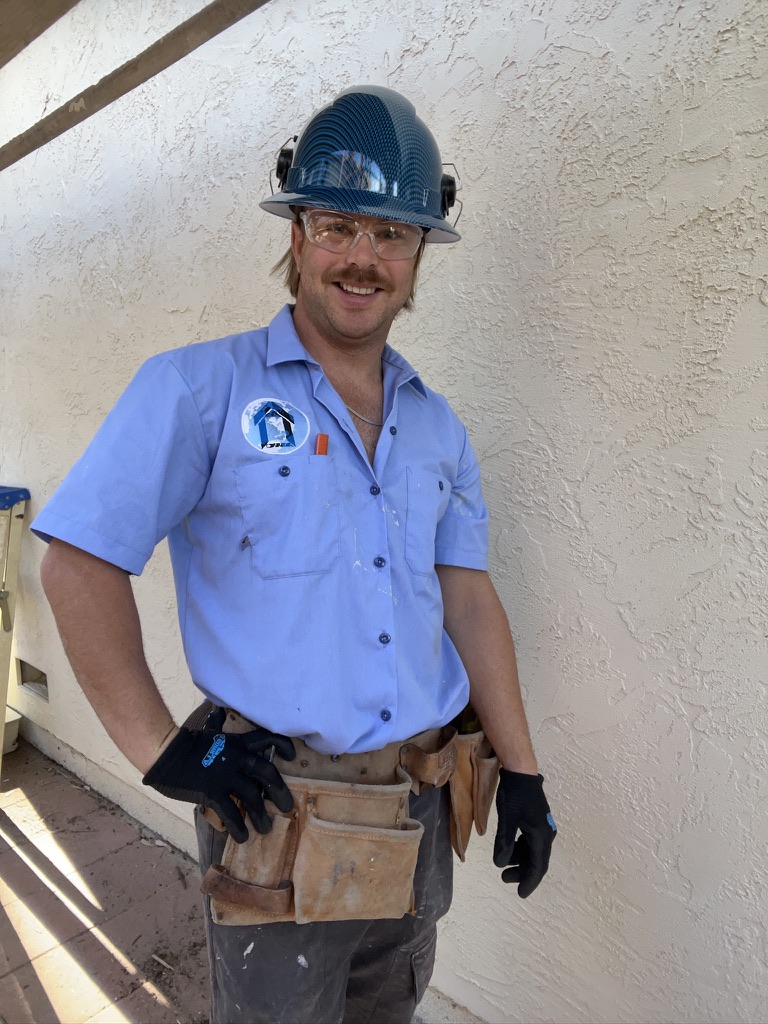
Drywall work in an occupied condominium succeeds when the living plan is as clear as the repair plan. Protection, sanding, drying time, furniture, pets, and access can affect several days even when the damaged area is small. Set expectations before work so residents know what must move, which spaces remain usable, and when the room will be returned to normal use.
Decide whether the room can remain active
List how the room is used and what cannot be interrupted. A bedroom, home office, only bathroom, kitchen path, nursery, or mobility route needs a different plan from an empty guest room. Identify essential furniture, equipment, medications, and personal items that must stay accessible. The contractor can then define a workable zone instead of discovering conflicts after setup.
Some work areas should remain clear until the day's work is stable and protection is removed or reset. Ask for a room-by-room sequence. If the repair affects the only practical path through the unit, discuss temporary access before approval rather than expecting the crew to work around continuous traffic.
Assign preparation responsibilities
Agree on who moves wall art, electronics, fragile items, furniture, window coverings, and closet contents. Residents should not be asked to move heavy objects they cannot safely handle. The bid should say which moving is included, which belongings must be cleared before arrival, and where protected items will be staged.
Protect floors and nearby fixed finishes based on the actual route and work. Include the entry, hall, elevator, and common corridor when required by building rules. A plastic sheet immediately below a patch is not a complete plan if workers and materials must travel through finished spaces.
Control dust at the work boundary
Drywall cutting and sanding can create fine dust. A practical plan combines containment, surface protection, controlled work methods, and cleanup suited to the room. Supply and return vents, smoke devices, fans, and building systems should be handled only within an agreed scope and with appropriate coordination; residents should not alter life-safety or mechanical equipment on their own.
Ask how the work zone will be separated and where tools will be cleaned. In a high-rise or managed building, balconies, corridors, sinks, and trash rooms may have restrictions. Those details belong in the access plan so cleanup does not create a second problem outside the unit.
Plan pets, keys, and daily reset
Keep pets out of the work zone and travel path. State whether someone will be home, a lockbox is authorized, or management will provide entry. Confirm call or text instructions and the person who can answer a scope question. A crew should not rely on an unlocked door, a neighbor, or a front desk exception.
Define daily reset: debris removed or contained, tools stored or taken away, protection left in place or removed, and usable paths reopened. Joint treatment, texture, primer, and paint may require return visits and drying between steps. The daily reset should match the schedule rather than imply the entire room is finished after the first visit.
Review the finished room in normal use
At closeout, inspect the agreed repair and paint boundary from ordinary viewing positions and lighting. Confirm that coverings, plates, and moved items included in the scope are reset. Note owner-supplied paint or leftover labeled material that should remain with the unit. Report damage concerns promptly while the protection and work record are still available.
Complex occupied work can be scoped through All World Construction LLC's $250 Site Evaluation + Written Bid Package, credited toward quoted work approved within 30 days. The visit helps a licensed San Diego County general contractor, CSLB 1063936, build access and protection into the price instead of treating them as surprises.
Planning checklist
- Identify essential rooms, routes, furniture, and items that must remain accessible
- Assign furniture movement and personal-item preparation before the start date
- Confirm protection for unit floors, entries, corridors, and elevator routes
- Provide pet control, key access, and a reachable decision-maker
- Agree on daily cleanup, usable paths, and return-visit expectations
Questions owners ask
Can residents stay in the unit during drywall work?
Often they can, but the answer depends on the location, extent, access routes, resident needs, and other conditions. The contractor should define restricted areas and the daily reset plan.
Who moves furniture and electronics?
The written scope should assign that work. Small items are commonly cleared by the resident, while heavy or delicate items need an agreed plan before arrival.
Why can a small patch require several visits?
Joint treatment, drying, texture, primer, and paint are separate finish steps. Product, temperature, humidity, repair depth, and finish requirements affect sequencing.
Related AWC context
AWC article
Rental Turnover Repairs: What To Check Before The Unit Sits Empty
Build a useful room list, photo record, access plan and approval path for a turnover.
AWC project video
Rental Property Remodel Project Walkthrough
A separate AWC walkthrough showing preparation, work in progress and finished rooms. It is not the featured case or a Mission Valley project record.
Watch on YouTubeAWC article
Common Questions Property Managers Ask a General Contractor
AWC answers practical property-manager questions about defining, approving and coordinating repair work.